 0770899690

 CARE
CARE MAKEUP & BEAUTY
 PERFUMES
 DISCOUNTS
 COLLECTIONS
 SHOP BY CONCERN
 Skin Problems
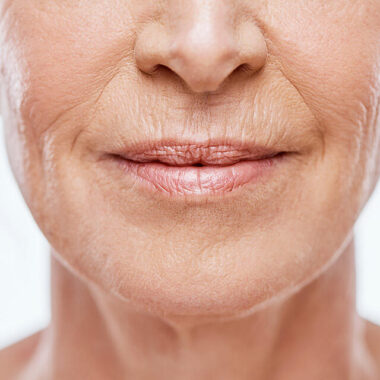
 Wrinkles
 Acne
Acne Pore Problems
 Dark Circles
 Scars and Blemishes
 Sensitive skin
 Hair Problems
 Hair Breakage


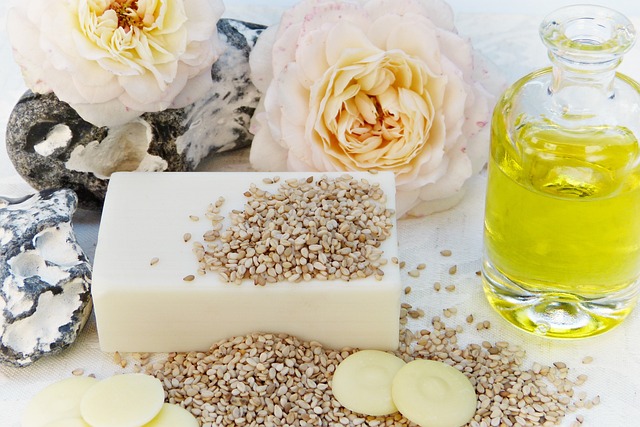
With the start of summer, rising temperatures, and high humidity, people with oily skin suffer from the negative effects of this weather on their skin.
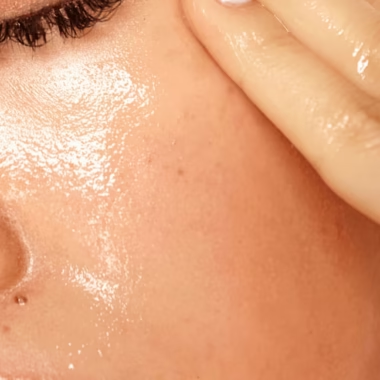
That’s why establishing a skincare routine for your oily skin—especially during the summer—is vital. Oily skin is more prone to excess oil production and is often shiny, sweaty, and more susceptible to redness; neglecting it can lead to the appearance of pimples, blemishes, and blackheads, especially in the summer when temperatures high temperatures and high humidity, which can negatively affect your skin.
What is oily skin?
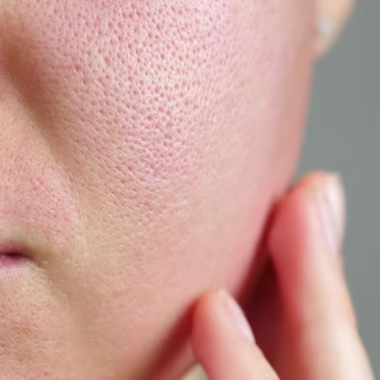
Oily skin is a skin type characterized by an oily texture; it is distinguished by its large pores, which create an environment conducive to bacterial growth and the more intense secretion of natural oils. Because it produces more oil than the other skin types mentioned earlier, it is more prone to breakouts and acne, and makeup does not stay on as well due to the excess oil.
How do you know your skin type?
To determine your skin type, gently dab your skin with a tissue. If you see traces of oil on the tissue, your skin is oily or combination; if there is no oil on the tissue, your skin is normal or dry.
Here’s another way to check: stand in front of a mirror and move closer to it. If you can see your pores, your skin is normal. Move back a little; if you can still see your pores, you have oily skin. but if you can’t see your pores, you have dry skin.
What are the problems associated with oily skin?
- An excessively shiny complexion is not to everyone's liking.
- Oil and dead skin cells build up inside enlarged pores, leading to various types of acne, including blackheads, whiteheads, and nodules.
- Large pores that contribute to the spread of pimples and the visible buildup of dirt on the skin.
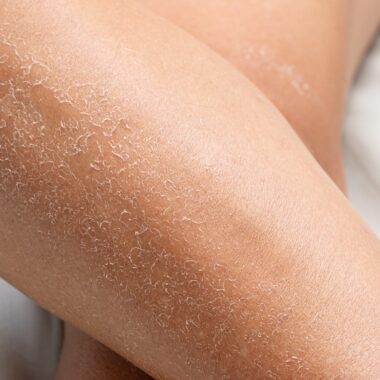
- People with oily skin may experience white or yellow flakes covering their skin, especially in the winter.
- Difficulty applying makeup and clumping.
- Oily hair.
- Increased skin thickness and roughness.
Does oily skin have any benefits?
- Oily skin does not age as quickly as other skin types, such as normal and dry skin.
- Your skin's natural oils give you a natural glow.
- Natural oils keep your skin soft, healthy, moisturized, and supple, and protect it from dryness day and night without the need for expensive moisturizers.
- Your skin doesn't suffer from dryness during the winter like dry or normal skin does, thanks to the natural oils that protect your skin from dryness.
- One of the biggest advantages of oily skin is that it doesn’t require heavy skincare or makeup products—a light dusting of powder is all you need to look great.
- Natural oils act as a protective barrier that prevents dirt, dust, microbes, and harmful sun rays from reaching your skin and entering your pores.
A Daily Skincare Routine for Oily Skin, Especially in the Summer
To avoid all the problems associated with oily skin and enjoy its aforementioned benefits, experts recommend following a daily skincare routine that includes:
Wash your face twice a day
Experts recommend washing your face twice a day with a suitable facial cleanser to prevent dirt from accumulating in enlarged pores, which can cause breakouts. Experts also recommend charcoal or clay cleansers, as they absorb excess oil, purify the pores, and deeply cleanse oily skin.
Using Toner
It is recommended to use a mild toner after washing your face to balance the skin's pH and protect it from the growth of harmful microbes.
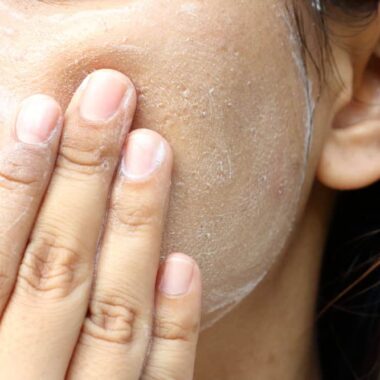
Exfoliate your skin once a week
Exfoliating your skin once a week is vital and important, as it helps reduce breakouts, remove dead skin cells, stimulate blood circulation in the skin, and renew the skin’s layers; however, you must choose a scrub that is suitable for oily skin.
Use an oil-free moisturizer
Failing to moisturize oily skin—especially in the summer—triggers the skin to produce more sebum and oil to compensate for the lack of moisture, However, when choosing a moisturizer, be sure to avoid oily products that clog pores. It’s best to use an oil-free moisturizer in the form of a light cream, gel, or water-based cream with a matte formula that removes the shine caused by excessive production of.
Using Sunscreen
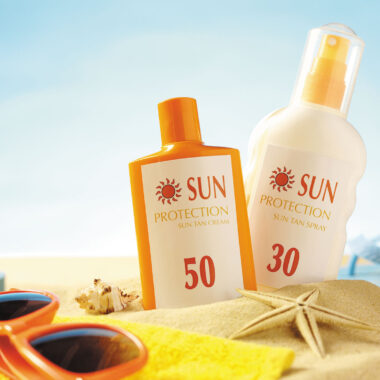
Many of us neglect to use sunscreen on a daily basis and only use it when heading to the beach, but sunscreen is extremely important for those with oily skin to keep the skin hydrated and protected throughout the day. However, you should avoid sunscreens that contain oils and fatty acids.
Following a Proper Diet
A balanced diet that avoids foods high in oils and fats and relies more heavily on vegetables has a positive effect on the radiance and health of your skin.
Avoid touching pimples
It may be tempting to pop or squeeze pimples, but experts recommend avoiding doing so—and even avoiding touching them—to prevent the infection from spreading and causing new pimples to form elsewhere.
Choosing the Right Skincare Products
Experts recommend using water-based, alcohol- and oil-free skin care and makeup products to help prevent breakouts and clogged pores.
Use a medical tissue
Medical-grade paper towels are an ideal product that helps you reduce excess shine by gently pressing the towel against your skin for a few seconds to absorb oils and sebum.
Drink enough water every day
Be sure to drink enough water every day to keep your skin and body hydrated and to maintain your skin’s freshness, elasticity, and health.
Caring for Oily Skin and Getting Rid of Acne and Pimples
Following the routine described above will help you reduce or prevent the appearance of pimples and blemishes, but when they do appear, they must be treated promptly to prevent them from spreading. However, if you have a lot of them, you must use appropriate specialized products to ensure that these blemishes do not leave scars or permanent marks on your skin.
There are several medical products that help treat acne and eliminate its scars, such as medicated patches, ointments, and other products that help balance the skin’s pH and remove excess oil and dirt.
However, we must make sure to moisturize our skin, drink water, and avoid using rough towels on our skin. A steam bath after exfoliation and using a blackhead extractor is an effective way to get rid of pimples, blackheads, whiteheads, and dirt accumulated inside the pores to prevent new breakouts.
How to Care for Naturally Sensitive Oily Skin
There are several natural remedies that can help you care for your sensitive, oily skin, including:
- A flour and rose water mask made by mixing two tablespoons of rose water and four tablespoons of flour, then rinsing it off with warm water.
- Mix one tablespoon of honey with one and a half tablespoons of lemon juice and one egg white. Leave the mixture on your face for half an hour, then wash your face. Repeat twice a week.
- Mix two tablespoons of yogurt with grated cucumber, leave it on your face for a quarter of an hour, then rinse it off with lukewarm water.
- Banana mask with honey and lemon or orange.
- A mask made from mashed strawberries mixed with yogurt, or with honey, brown sugar, and lemon juice.
How to Care for Your Skin After Tanning
The beautiful tan we get in the summer comes at a very high cost to our skin’s health, so it’s essential to take care of oily skin, especially after sun exposure:
- By drinking enough water to avoid dehydration and heatstroke.
- Take a cold shower to lower your body temperature.
- Use moisturizers and appropriate sunscreen.
- Use natural face masks such as aloe vera gel, a mixture of rose water and cornstarch, and milk or yogurt.
- Yeast mask with egg whites.
- Avoid direct exposure to the sun, especially during peak hours from 11 a.m. to 4 p.m.