 0770899690


 CARE
 MAKEUP & BEAUTY
 PERFUMES
 DISCOUNTS
 COLLECTIONS
 SHOP BY CONCERN
 Skin Problems
 Wrinkles
 Acne
 Pore Problems
 Dark Circles
 Scars and Blemishes
 Sensitive Skin
 Hair Problems
 Hair Breakage





Sunscreen is not just a summer product. In Algeria, ultraviolet rays reach the skin almost all year round, in the city as much as on the beach. They cause sunburn, dark spots, melasma and early signs of ageing. Choosing the right sunscreen and applying it properly is one of the best things you can do for your skin.
What do the numbers on the pack mean?
SPF measures protection against UVB, the rays that cause sunburn. UVA rays go deeper, pass through clouds and window glass, and are linked to spots, melasma and wrinkles. So look for broad-spectrum protection: the UVA logo inside a circle on European products means UVA protection is at least one third of the SPF, and the PA rating with plus signs on Asian products shows the level of UVA protection, which rises with the number of plus signs.
The right amount: the most common mistake
The number on the pack is measured with a generous layer, and a thin layer protects far less. The practical rule for face and neck is two finger-lengths of product. Apply it as the last step of your morning routine, about a quarter of an hour before going out, and do not forget your ears and the back of your neck.
Choose your sunscreen by skin type
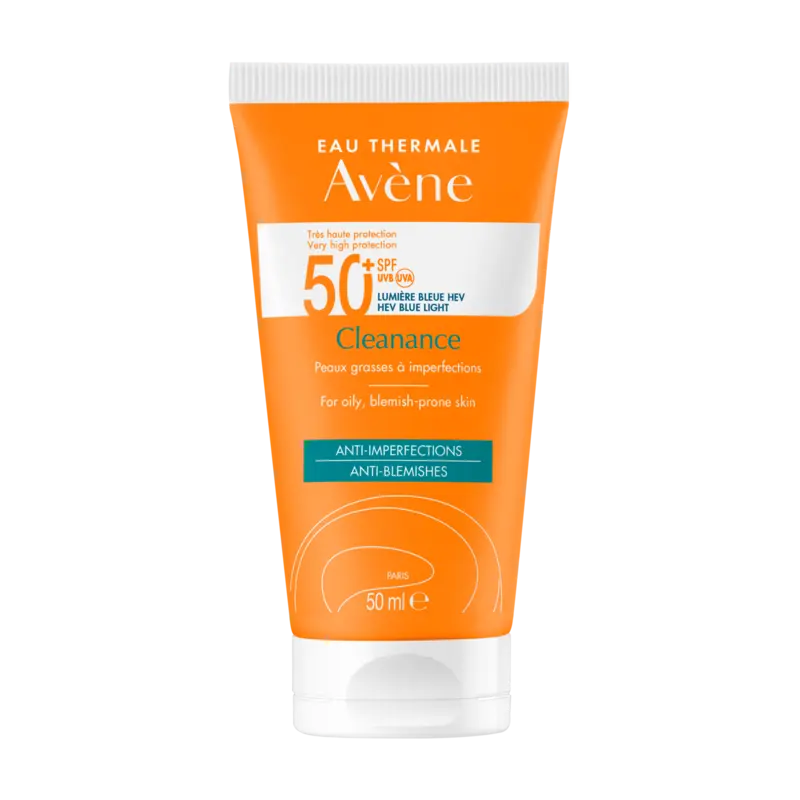
Oily and combination skin
Look for a gel or fluid texture with a dry, matte finish that absorbs quickly and works under makeup.

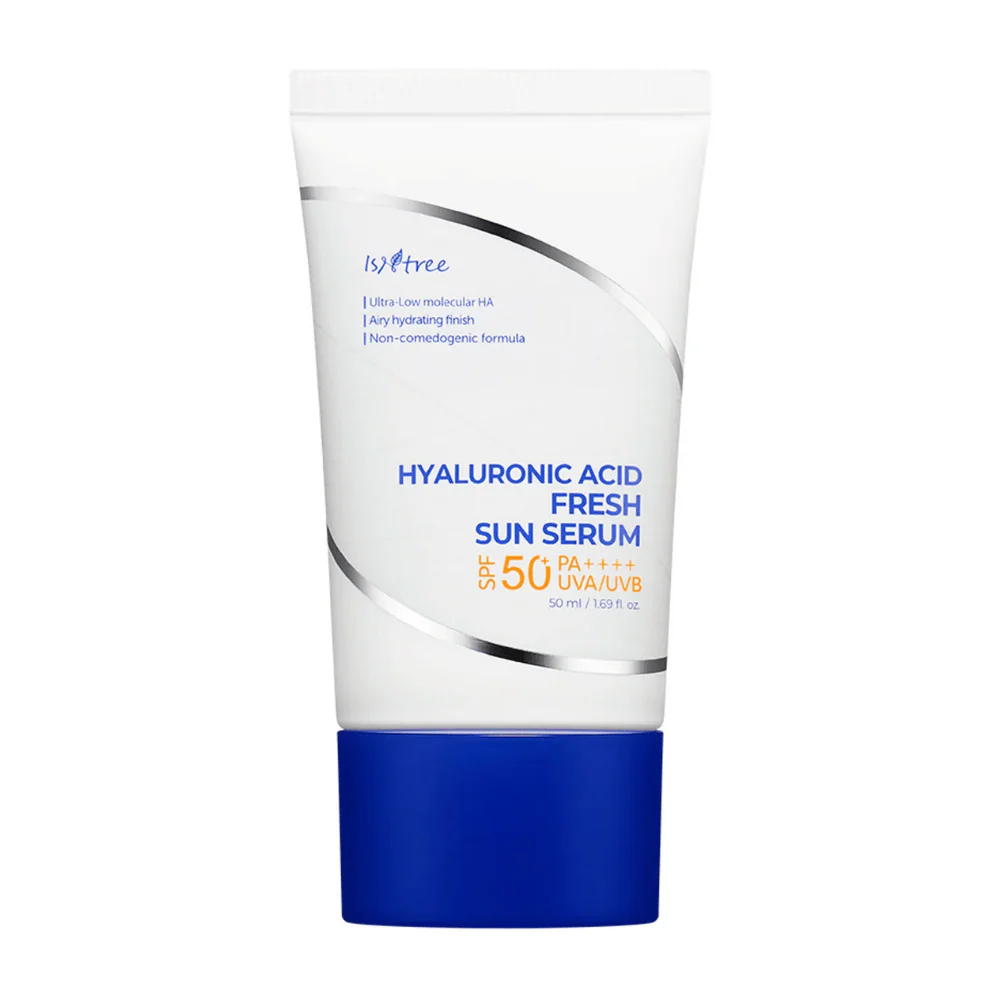
Dry skin
Choose a hydrating cream or serum that keeps skin comfortable all day without leaving a white cast.

Sensitive Skin
Prefer gentle formulas made for sensitive skin, and test the product on a small area of your face before using it everywhere.

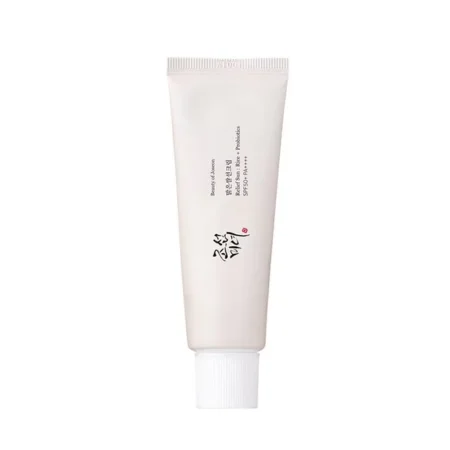
Korean sunscreen with rice and probiotics—maximum protection
3,950 DA
Discover the product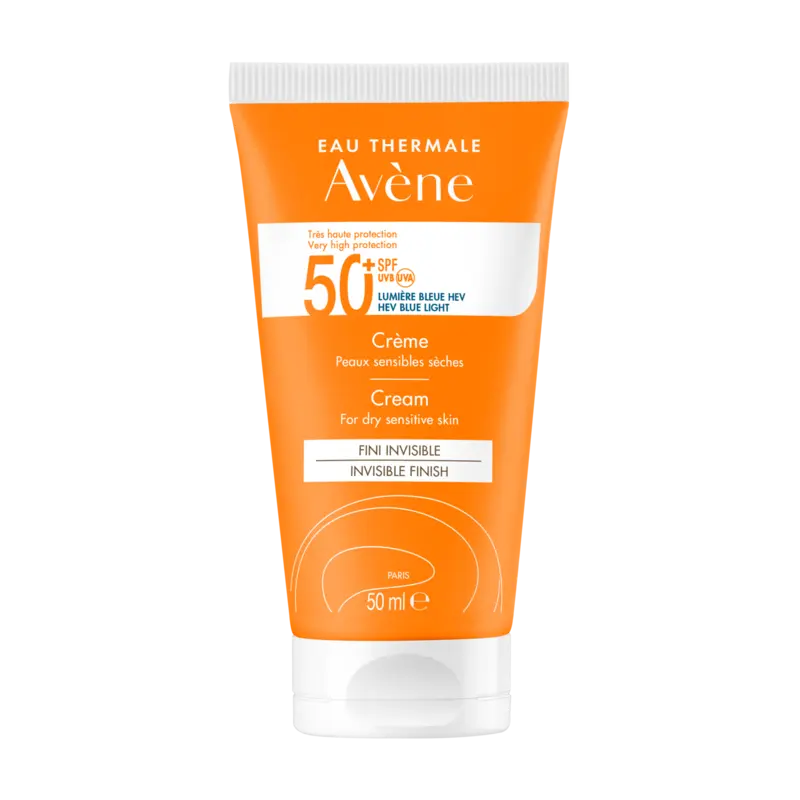
Dark spots and melasma
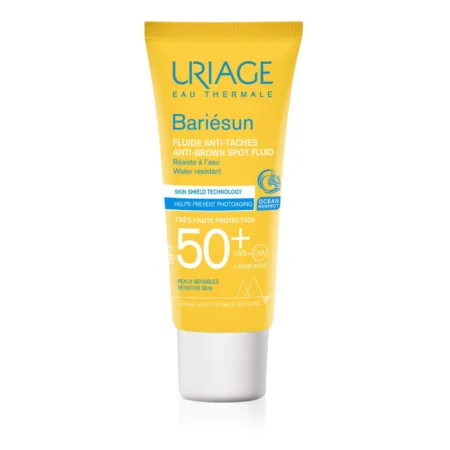
Here, daily protection is part of the treatment itself. Anti-spot sunscreens help, and tinted sunscreens often contain pigments that also help protect against the visible light linked to melasma.


Reapplying during the day
Reapply every two hours when you stay outdoors, and after swimming, heavy sweating or towel drying. Over makeup, stick sunscreens make reapplying easy without ruining it. And at the beach, do not forget your body with a suitable sunscreen.


Fact or myth
Fact
- Darker skin needs sunscreen too, it is more prone to spots and melasma.
- UVA rays pass through clouds and window glass.
- A generous layer matters more than a high number.
Myth
- No need for sunscreen in winter or on cloudy days.
- Foundation with SPF is enough on its own.
- One application in the morning protects all day.
Babies under six months are protected by shade and clothing before any product. Ask a doctor or pharmacist before using sunscreen on a young child.
Frequently asked questions
Do I need sunscreen indoors?
If you sit near a window for hours or drive during the day, yes, because UVA rays pass through glass.
Is SPF 50 much better than SPF 30?
The difference in UVB blocking is small, but it matters for very fair skin, dark spots and long exposure. Amount and reapplication matter most.
How long does sunscreen last once opened?
Check the open-jar symbol on the product, often 12 months. Do not use last summer's sunscreen if its colour or smell has changed.
Does sunscreen clog pores?
Choose a texture that suits your skin and cleanse well in the evening with a double cleanse, which is enough in most cases.