 0770899690


 CARE
 MAKEUP & BEAUTY
 PERFUMES
 DISCOUNTS
 COLLECTIONS
 SHOP BY CONCERN
 Skin Problems
 Wrinkles
 Acne
 Pore Problems
 Dark Circles
 Scars and Blemishes
 Sensitive Skin
 Hair Problems
 Hair Breakage





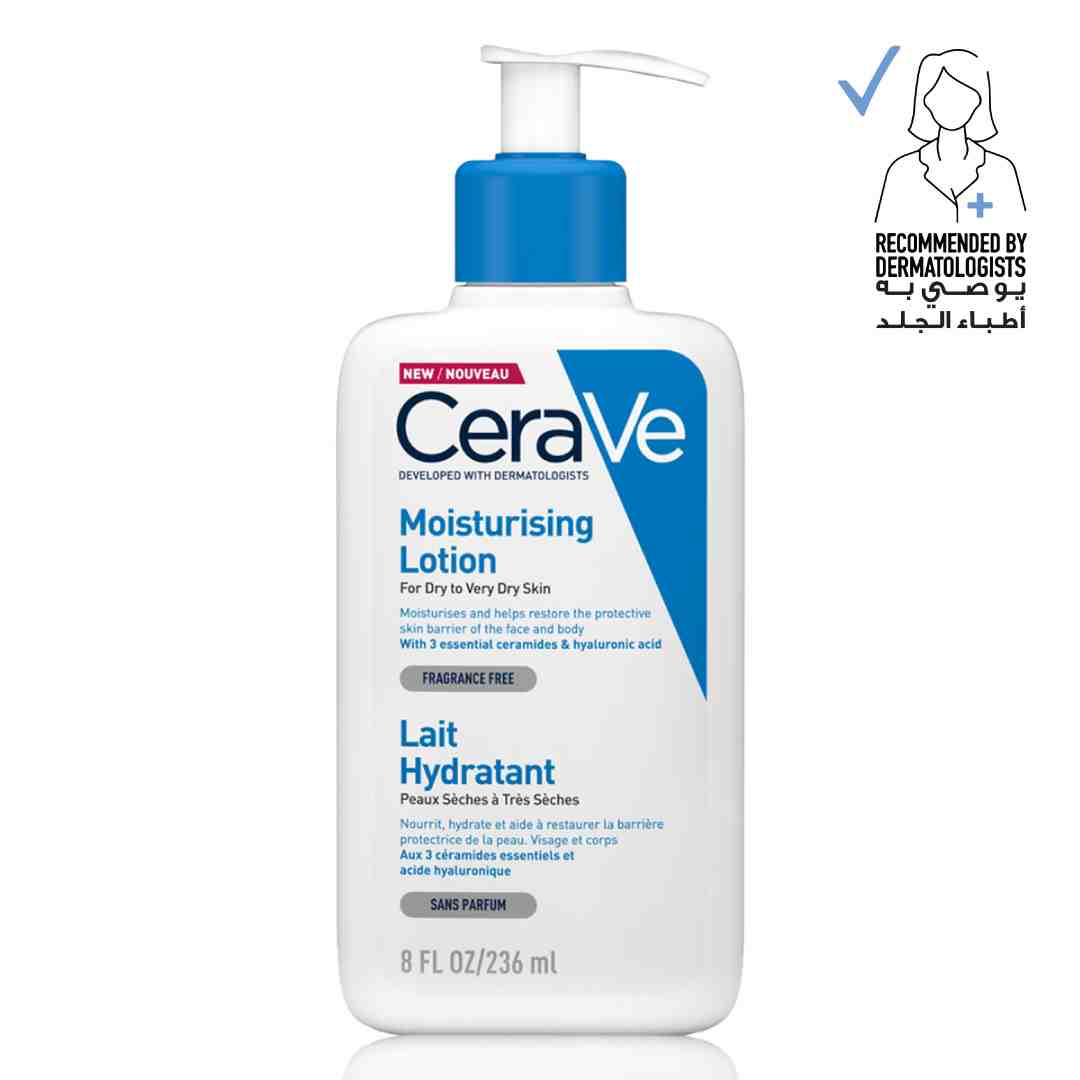
Many people buy a hyaluronic acid serum because it is famous for hydration, then apply it to a dry face in a heated room and feel their skin tighter than before. The problem is not the ingredient but the way it is used. In Algeria's dry climate, heat in summer and heaters in winter, one small step makes all the difference: damp skin before the serum, and a moisturiser after it.
What is hyaluronic acid?
Despite its name, hyaluronic acid is not an exfoliating acid like fruit acids, and it does not remove skin cells. It is a substance found naturally in skin, part of the family called humectants: it draws in water and holds it in the surface layers, so skin looks smoother and plumper and fine lines caused by dehydration soften. Products often use several molecule sizes: some stay on the surface for instant smoothness, while smaller ones go a little deeper into the upper layers.
On the ingredient list you may find it as Hyaluronic Acid or Sodium Hyaluronate, and both do the same job. It comes in serums, creams, cleansers and masks, and the serum is the most concentrated. A good formula often pairs it with other hydrators such as glycerin and panthenol, or with barrier-strengthening ingredients such as ceramides.
The right way: on damp skin
A gentle cleanser
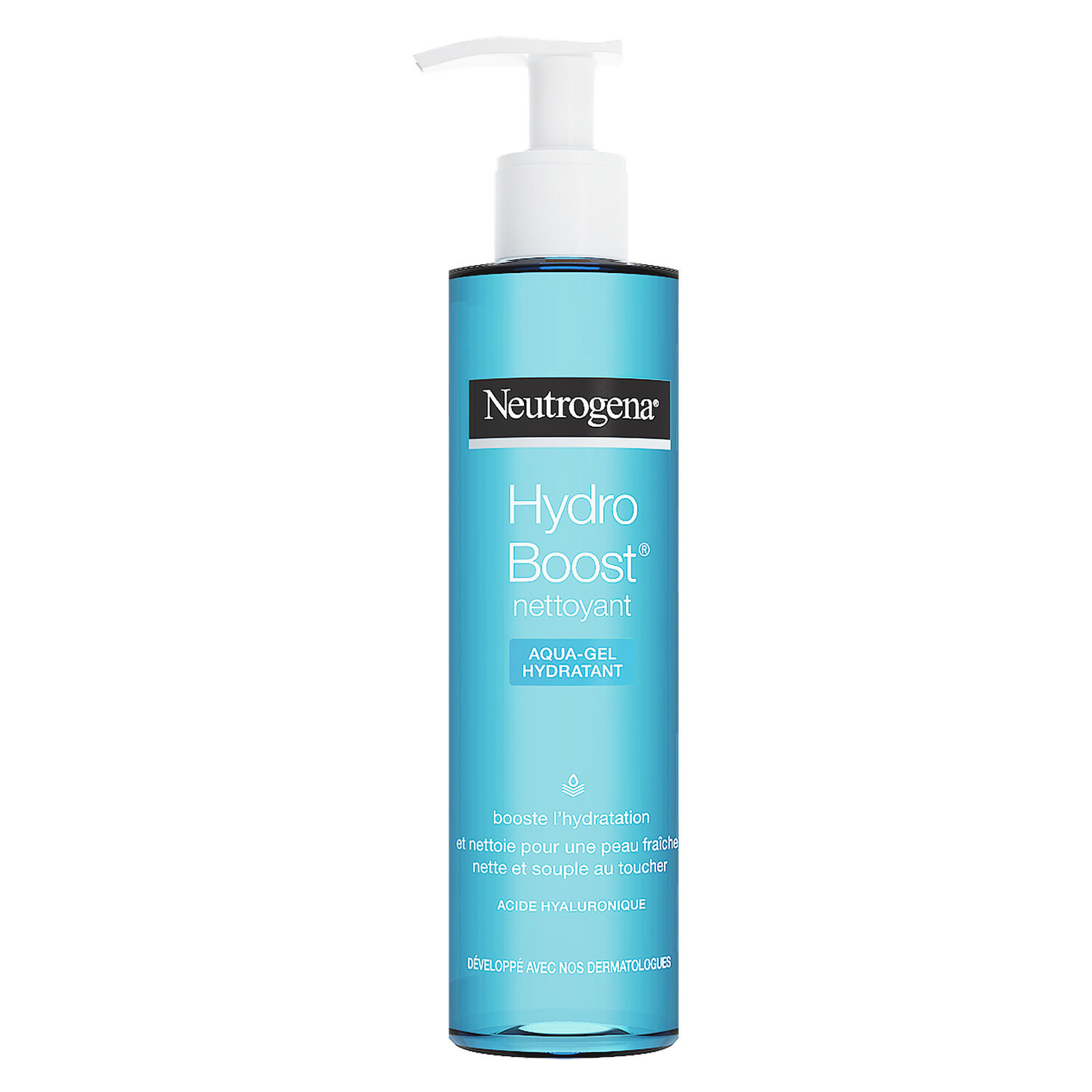
Start with a cleanser that does not leave skin tight: there is no point hydrating skin that the cleanser has stripped of its oils.

Damp skin, not soaking wet
After cleansing, pat the face dry but leave it slightly damp, or spray a thermal water. That way the hyaluronic acid finds water to hold at the skin's surface.

Natural thermal water for daily skin care, moisturizing, and nourishing
Price range: 1,450 DA through 3,500 DA
Discover the product
Pat in the serum
Apply two or three drops to the face and neck and spread them by patting, without rubbing. Using more does not add hydration, it just feels sticky.

A moisturiser to seal it in
Within a minute, apply your moisturiser: it stops the water from evaporating. This step matters most in dry weather and heated rooms.

Sunscreen in the morning
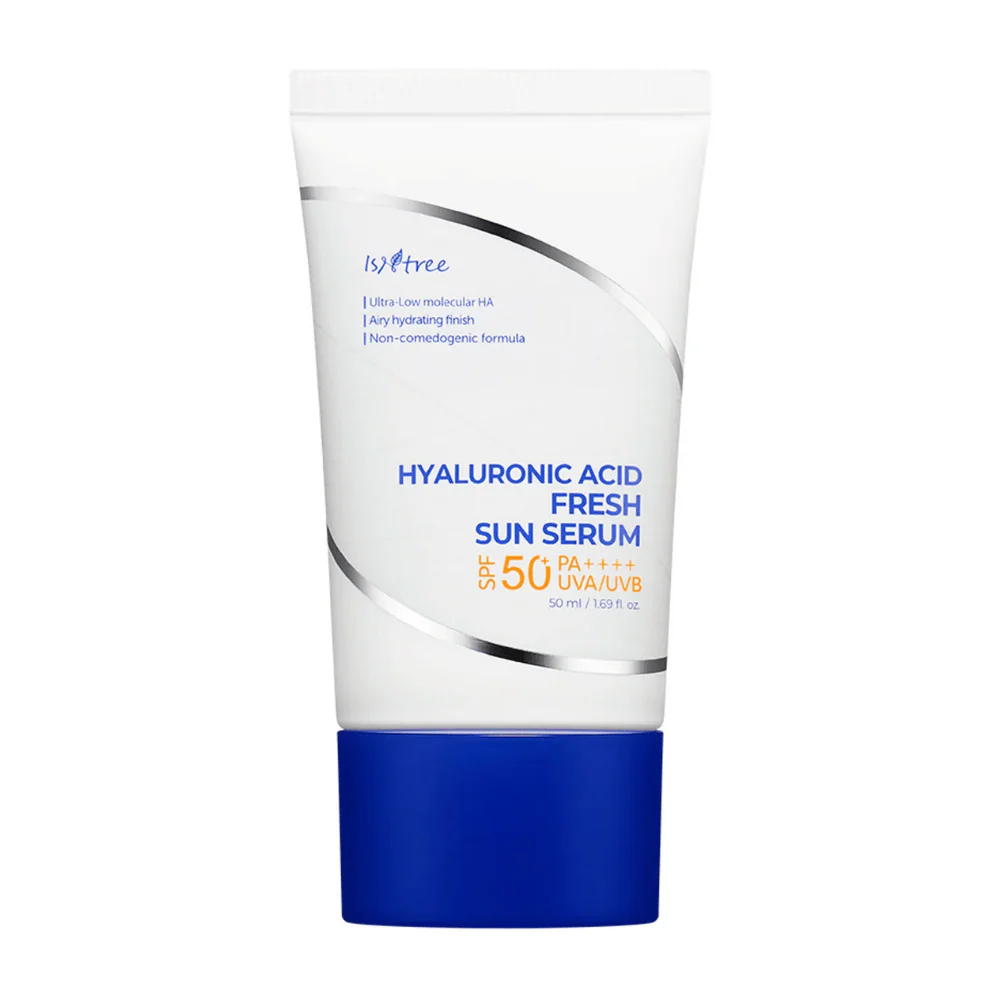
In the morning, finish with sunscreen of SPF 30 or higher. Some sunscreens also contain hyaluronic acid and suit those who like a short routine.
Why all this care about moisture? Because humectants take water from the nearest source. When the air is very dry, as in the southern wilayas in summer or in heated rooms in winter, and no moisturiser seals the surface, water evaporates quickly and skin feels tight. Damp skin with a moisturiser on top solves the problem, and a bowl of water near the heater helps too.
Layering it with other ingredients
- The general rule: from the lightest texture to the heaviest, so watery serums first, then cream.
- With vitamin C in the morning: vitamin C first on clean skin, then hyaluronic acid, then moisturiser and sunscreen.
- With niacinamide: they combine without any problem, morning or evening.
- With retinol or exfoliating acids at night: hyaluronic acid helps skin comfort, but do not combine retinol and acids on the same night.
For every skin type
Oily and combination skin
- Hyaluronic acid hydrates with water, not oil, so it does not add shine.
- A light serum and a gel moisturiser are enough on most days.
- Dehydrated skin can produce more oil, so hydration is part of controlling shine.
Dry and sensitive skin
- Hyaluronic acid alone is not enough: it needs a cream rich in ceramides or oils on top.
- Choose simple, fragrance-free formulas.
- In winter it can be used morning and evening.

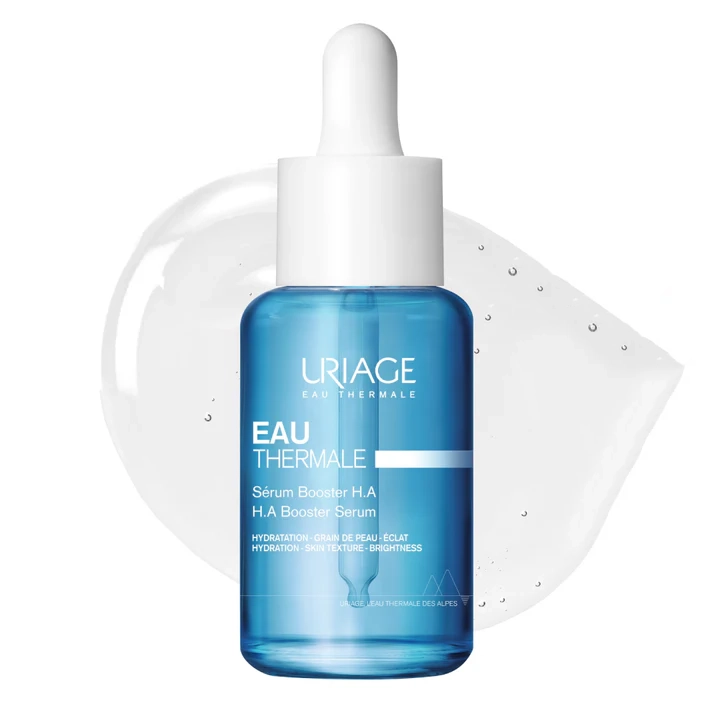

Common myths
- It exfoliates because it is an acid: false, it is a hydrator, not an exfoliant.
- The higher the percentage, the better: not always, the whole formula matters more than one number, and a very high level can feel sticky.
- Oily skin does not need it: in fact it needs water like any other skin, and hyaluronic acid is one of the lightest and best-suited ways to hydrate it.
- It replaces moisturiser: no, it draws water in and the moisturiser keeps it there.
- It fills wrinkles like injections: a serum only improves the look of dehydration lines; injections are a completely different medical procedure.
Hyaluronic acid is one of the gentlest ingredients, but still test every new product on a small area of the face first, and stop it if redness or stinging persists. Hyaluronic acid injections are a medical procedure carried out only by a qualified doctor.
Frequently asked questions
Morning or evening?
Both work: in the morning under moisturiser and sunscreen, in the evening before night cream. In winter and for dry skin, using it twice a day helps.
When do results show?
Smoothness and plumpness show almost immediately, because skin fills with water. With regular use skin feels more comfortable and less tight, but hyaluronic acid does not remove deep wrinkles.
Do we need a serum if the moisturiser already contains it?
Not necessarily. For oily or normal skin a moisturiser containing it may be enough, while very dry skin often benefits from the serum under the cream.
Is it suitable during pregnancy?
It is generally considered a gentle ingredient, but still show your full routine to your doctor during pregnancy, and avoid retinoids during this time.