 0770899690


 CARE
 MAKEUP & BEAUTY
 PERFUMES
 DISCOUNTS
 COLLECTIONS
 SHOP BY CONCERN
 Skin Problems
 Wrinkles
 Acne
 Pore Problems
 Dark Circles
 Scars and Blemishes
 Sensitive Skin
 Hair Problems
 Hair Breakage





On cold mornings, many people head out with hair dried in a hurry with hot air, then cover it with a wool hat all day, and come back in the evening to a warm room near the heater. And at the weekend, a very hot shower. These habits are all comforting in the cold, but they leave hair dull, static and split at the ends, and the scalp tight and itchy.
What does winter do to hair?
Each hair is covered by an outer layer of tiny scales that overlap like roof tiles. When this layer is smooth and closed, hair holds its water and reflects light, so it looks shiny. Dry indoor air, hot water, dryer heat and the friction of hats and scarves all lift these scales, so hair loses moisture, tangles and breaks easily. Dry air also charges hair with static electricity, so it flies up every time you take off your hat.
The winter washing routine
A gentle shampoo and lukewarm water
Very hot water dries both hair and scalp, so keep it lukewarm. Focus the shampoo on the scalp and massage with your fingertips; the lengths only need the lather that runs down when you rinse. Choose a nourishing shampoo for dry hair if yours dries out quickly.


Nourishing Creamy Shampoo with Olive, Shea, and Argan Oils for Dry Hair
1,450 DA
Discover the productConditioner every wash
Conditioner closes the hair scales and makes combing easier without breakage. Apply it to the lengths and ends, away from the roots, leave it two or three minutes, then rinse well.


A nourishing mask once a week
Once or twice a week, swap the conditioner for a richer mask and leave it on for the time stated on the pack. Wrapping the hair in a warm towel meanwhile makes it more comfortable in the cold.

A versatile mask that repairs and strengthens damaged hair
1,500 DA
Discover the productGentle drying
Press the hair with the towel without rubbing and let it air-dry indoors as much as you can. If you use a dryer or straightener, choose medium heat, apply a heat-protecting product first, and keep the tool a little away from the hair.
A few drops of oil on the ends
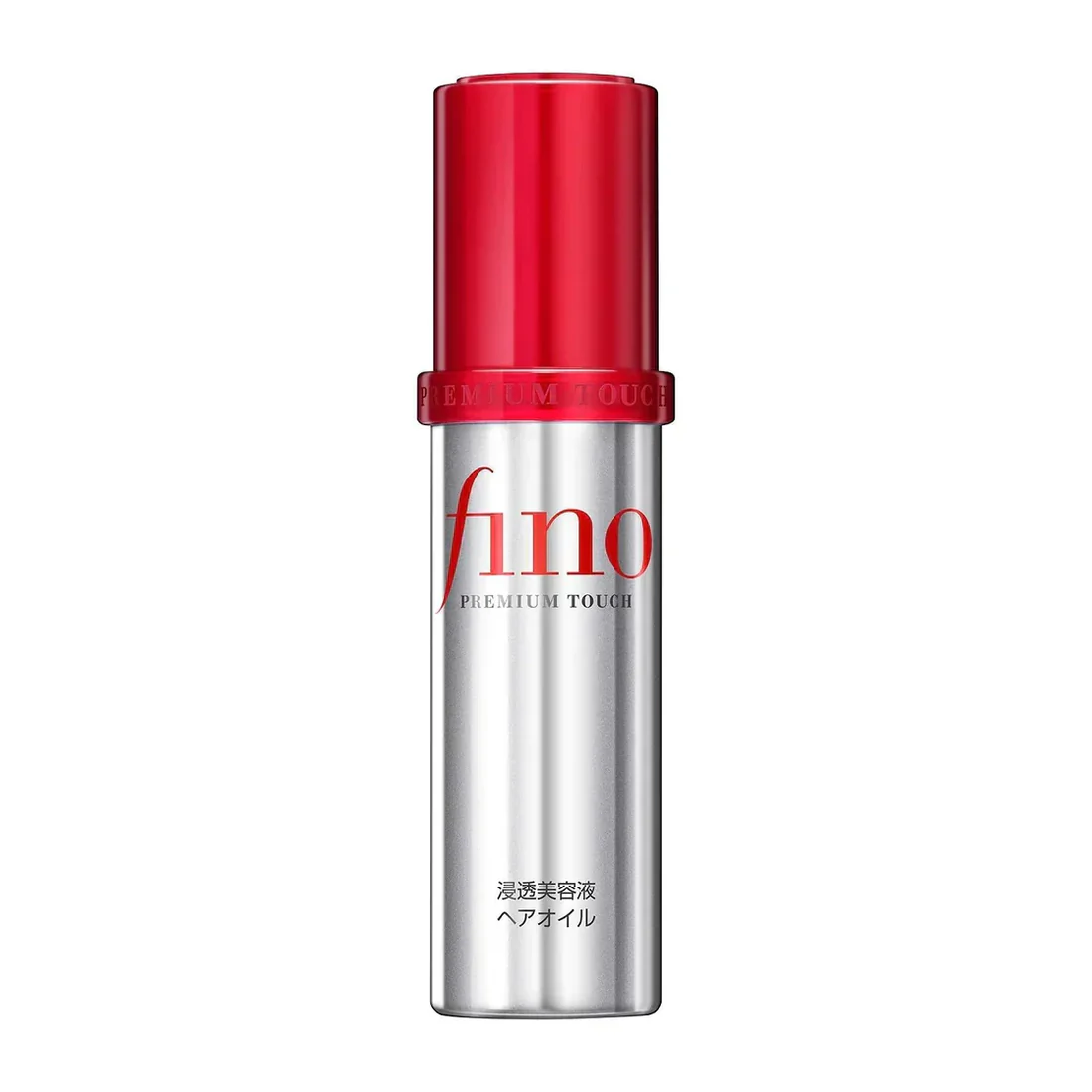
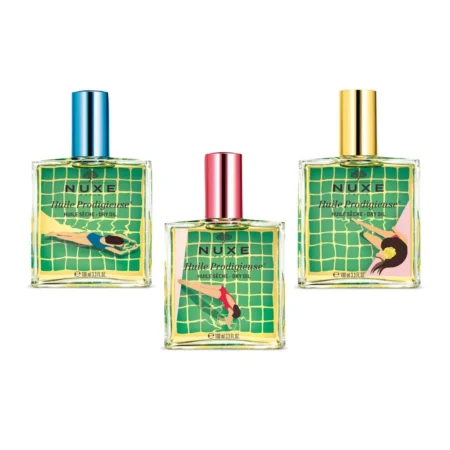
On dry or slightly damp hair, spread two or three drops of hair oil between your palms, then run them over the ends only. Oil coats the hair and reduces static; too much makes it heavy and greasy.
Heat tools are the biggest risk to hair in winter, because we use them more when it is cold. Never use a straightener on wet hair, run it once over each section instead of several passes, and give your hair a few heat-free days every week.
Static and flyaway hair
- Well-moisturised hair is less static, so conditioner and oil come first.
- A wooden or wide-tooth comb creates less static than a plastic one.
- A silk or satin lining inside a wool hat reduces friction and tangling.
- When you take your hat off, smooth your palms with a little hair cream on them over the flyaways.
- A bowl of water near the heater adds a little moisture to the room air.
A versatile mask that repairs and strengthens damaged hair
1,500 DA
Discover the productSmall habits that protect hair all winter
- Tie long hair loosely before sleep and use a smooth satin pillowcase if you can, to reduce friction and tangles.
- Avoid tight hairstyles and metal clips that press on the same spot every day.
- Trim split ends every few months: no product can glue a split end back together, and trimming stops the split from travelling up.
- Hair is also fed from the inside: balanced meals with enough protein, enough water and regular sleep.
The scalp in the cold
Dry, tight scalp
- A gentle soothing shampoo, and less frequent washing if that feels comfortable.
- Always lukewarm water, never hot water on the head.
- Not scratching the scalp with your nails, which injures it and increases itching.
Oily scalp under a hat
- Regular washing with a gentle purifying shampoo, because a hat traps heat and oil.
- Oil and mask on the lengths only, away from the roots.
- Washing hats and scarves regularly.
If your scalp is sensitive and reddens easily, choose a shampoo made for sensitive scalps, and test each new product on its own before adding another.

Losing some hair every day is normal, but see a dermatologist if you notice sudden heavy shedding, bald patches, or thick scales with redness and strong itching on the scalp. Do not put undiluted essential oils directly on the scalp.
Frequently asked questions
Should we wash our hair less in winter?
Not necessarily. Wash it whenever your scalp needs it, but with lukewarm water, a gentle shampoo and conditioner every time. Very dry hair may do better with fewer washes, while an oily scalp needs regular washing.
Can oil replace conditioner?
No, each has its own role. Conditioner closes the scales after washing, and oil is a final touch that coats the ends and reduces static.
Does wearing a hat cause hair loss?
A clean hat that is not tight does not cause hair loss, but strong friction can break dry hair. Choose a comfortable hat with a soft lining, and wash it regularly.
Does a cold-water rinse help?
A final, slightly cooler rinse can give a feeling of smoothness, but it is not essential. What matters most is avoiding very hot water and letting the hair dry fully before going out into the cold.