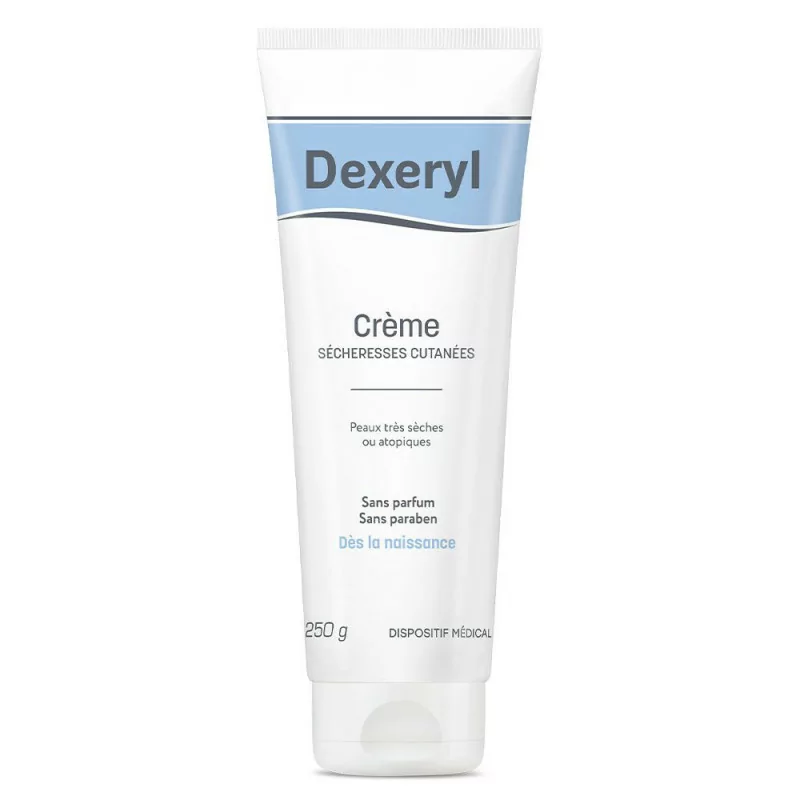
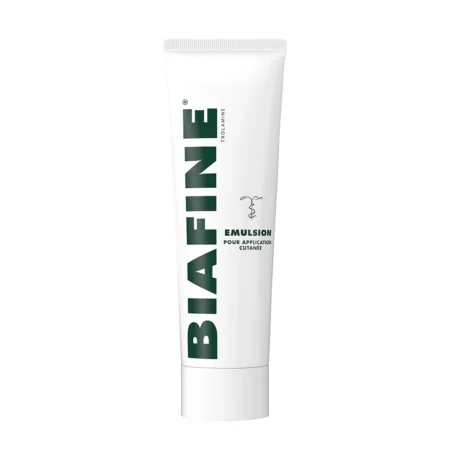
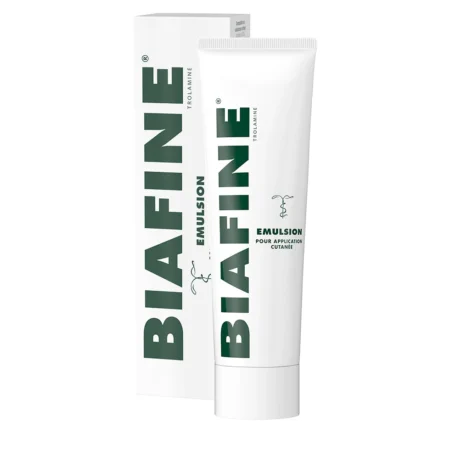
Dexeryl is a medicine in the form of a cream in a tube. It is used as an adjunctive treatment for dry skin associated with certain skin conditions: Atopic dermatitis and psoriasis. Dexeryl can also be used as an adjunctive treatment for superficial burns.
How to use: Dexeryl should be applied to the skin. Apply the cream in thin layers directly to the skin area to be treated and then gently massage until the medication penetrates.
Dosage: The dose of Dexeryl is 1 to 2 applications per day or more if needed. If in doubt, ask your doctor or pharmacist for advice.
Labor precautions: Never use Dixerel if you are allergic to any component of the cream. You will find all contraindications, special warnings and unwanted effects associated with this product in the instructions.
Composition
Active ingredients (per 100 grams of cream):
glycerin: 15 g
Vaseline: 8 grams
liquid paraffin: 2 g
Other ingredients: Glycerin monostearate, stearic acid, polydimethylcyclosiloxane, silicone oil, macrogol 600, trolamine, propylparahydroxybenzoate, purified water.
Active ingredients:
Glycerin: Glycerin is a moisturizing agent that helps retain moisture in the skin, keeping it supple and hydrated.
Vaseline: Vaseline forms a protective barrier on the skin, preventing moisture loss and helping to maintain optimal hydration.
Light Liquid Paraffin: This ingredient also helps keep skin moisturized by forming a protective layer.
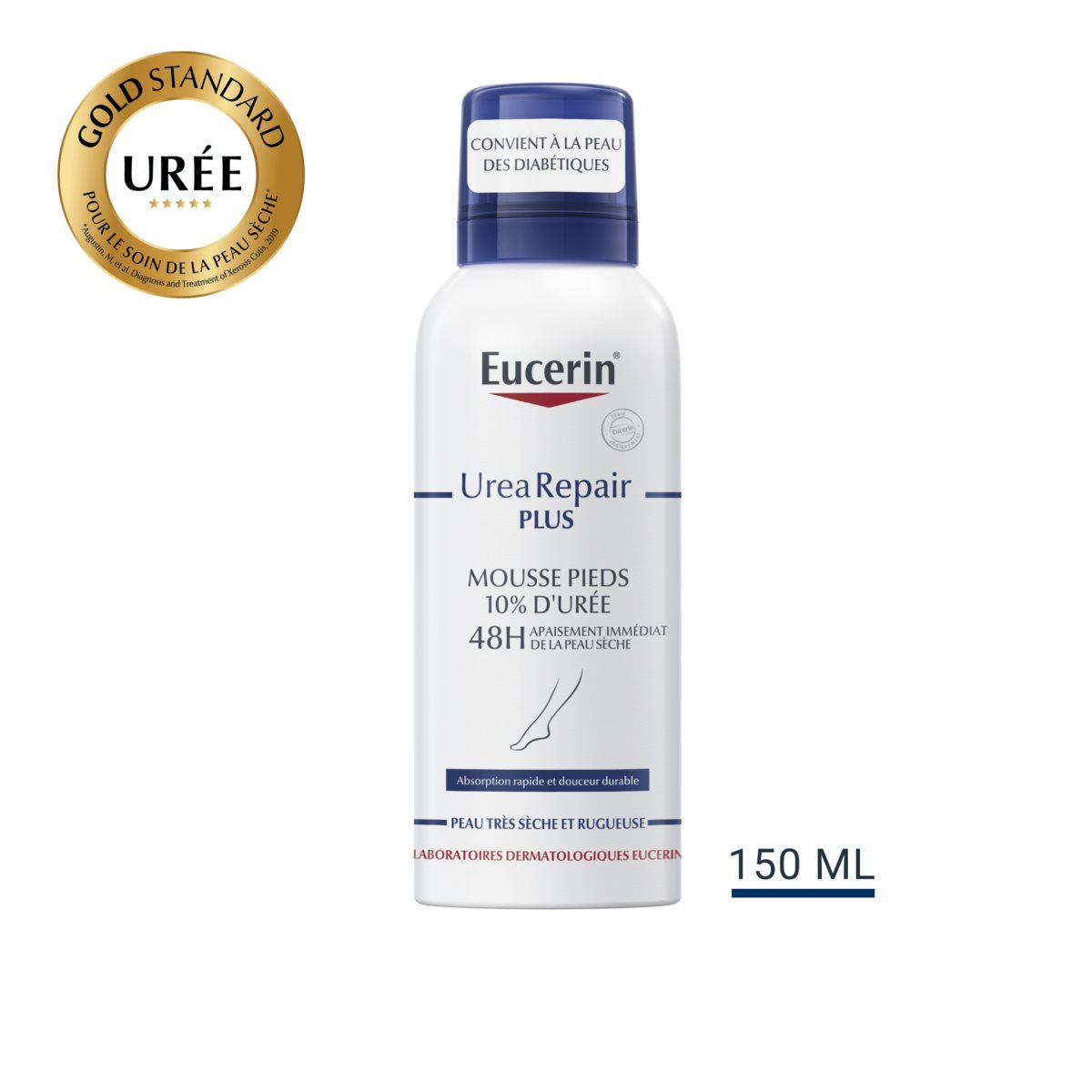
What can you do to relieve itchy skin besides using Dexeryl cream?
Itchy skin caused by conditions such as atopic dermatitis, eczema, or dry skin can be very annoying. Here are some good measures to adopt:
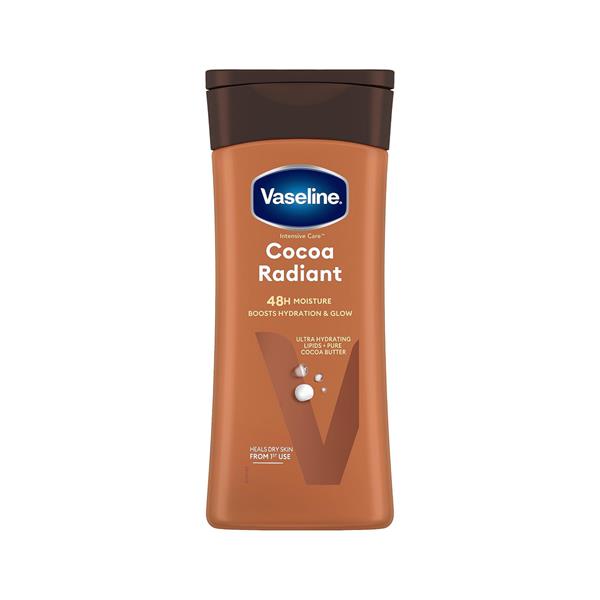
Regular moisturizing: Use specific moisturizers for dry and sensitive skin, preferably those recommended by your dermatologist. Emollient creams enriched with ingredients such as glycerin, hyaluronic acid or ceramides can help keep skin moisturized. Apply the moisturizer several times a day, especially after showering when the skin is slightly damp.
Skin-friendly baths and showers: Avoid prolonged hot baths, as hot water can dry out the skin. Prefer lukewarm baths and limit their duration to 10 to 15 minutes. Use gentle cleansers, without harsh fragrances or chemicals, to avoid further skin irritation.
Choose your clothes and fabrics: Wear clothes made of soft, lightweight cotton. Avoid synthetic or irritating fabrics. Wash new clothes before wearing them to remove chemicals and potential irritants. Choose clothes that are loose and comfortable to minimize friction on the skin.
Avoid irritants: Avoid scented products, alcohol-based lotions, and harsh skincare products. Use hypoallergenic products that have been tested by dermatologists.
Air conditioning and humidification: Use a humidifier in your indoor environment to maintain adequate humidity levels, especially in winter when the air is dry.
Cut the nails short: Keep nails short to avoid scratching them and damaging the skin.
Avoid scratching: Try not to scratch the skin, as this can aggravate the irritation and damage the skin. If necessary, use a soft tissue to wipe the irritated area.
 0770899690

 CARE
CARE MAKEUP & BEAUTY
 PERFUMES
 DISCOUNTS
 COLLECTIONS
 NON CLASSIFIED
 SHOP BY CONCERN
 Skin Problems
 Wrinkles
 Acne
Acne Pore Problems
 Dark Circles
 Scars and Blemishes
 Sensitive skin
 Hair Problems
 Hair Breakage