 0770899690

 CARE
CARE MAKEUP & BEAUTY
 PERFUMES
 DISCOUNTS
 COLLECTIONS
 SHOP BY CONCERN
 Skin Problems
 Wrinkles
 Acne
Acne Pore Problems
 Dark Circles
 Scars and Blemishes
 Sensitive skin
 Hair Problems
 Hair Breakage



You’ve spent money on quality products—but are you preserving their effectiveness by storing them properly? Light, heat, and air are silent enemies that quickly spoil products without you even noticing. Proper storage extends the shelf life of your products and preserves their effectiveness.
Products That Require Special Refrigeration
Vitamin C (pure ascorbic acid): Very sensitive to heat and light—it oxidizes and turns orange. Refrigeration significantly extends its shelf life. Retinol and retinoids: They break down when exposed to light—store them in the refrigerator or in a cool, dark place. Probiotics in skincare products: They need to be kept cool to maintain live bacteria. Vitamins in aqueous formulations in general: They are negatively affected by high heat.
-
-
A Complete Morning Routine for Brightening and Even-Toning the Skin 15,000 DAYou Save 1,850 DA (11%)
In stock
-
A Complete Morning Routine for Brightening Combination Skin 15,200 DAYou Save 1,200 DA (7%)
In stock
-
A Morning Routine for Even Radiance and All-Around Freshness 16,000 DAYou Save 1,100 DA (6%)
In stock
-
An Evening Routine for Brightening and Evening Out Skin Tone 10,650 DAYou Save 1,000 DA (9%)
In stock
-
An Evening Routine for Brightening and Even-Toning Your Skin with a Repairing Balm 13,000 DAYou Save 1,000 DA (7%)
In stock
-
An Evening Routine for Brightening Combination Skin with Toner 14,000 DAYou Save 1,200 DA (8%)
In stock


General Storage Guidelines for All Products
Keep away from the bathroom! — Steam and constant humidity ruin the products. The bathroom is fine for makeup but terrible for skincare products. Direct light: Move them to a drawer or a closed cabinet. Ideal temperature: 15–25 degrees — keep away from windows and the heater. Close the lid tightly after each use — air oxidizes the ingredients.

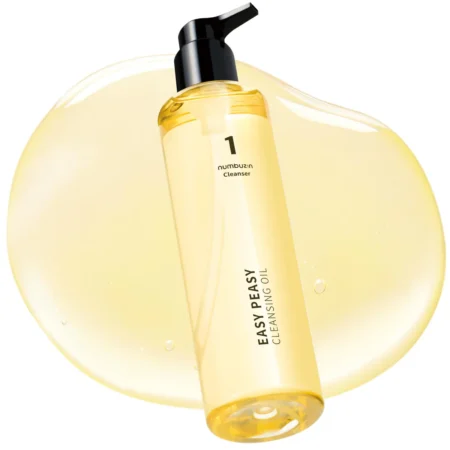






How can you tell if a product has gone bad?
Color change: Vitamin C turns yellow; white creams turn yellow or gray. Odor change: A sharp or unpleasant odor that wasn’t there before. Texture change: The layers of an emulsion separate, or a serum becomes watery. Change in texture: A product that used to be smooth becomes clumpy or rough. When in doubt: Don’t risk your skin—throw it away. Check the PAO (Period After Opening)—the code printed on the product packaging indicating the number of months.