 0770899690

 CARE
CARE MAKEUP & BEAUTY
 PERFUMES
 DISCOUNTS
 COLLECTIONS
 SHOP BY CONCERN
 Skin Problems
 Wrinkles
 Acne
Acne Pore Problems
 Dark Circles
 Scars and Blemishes
 Sensitive skin
 Hair Problems
 Hair Breakage


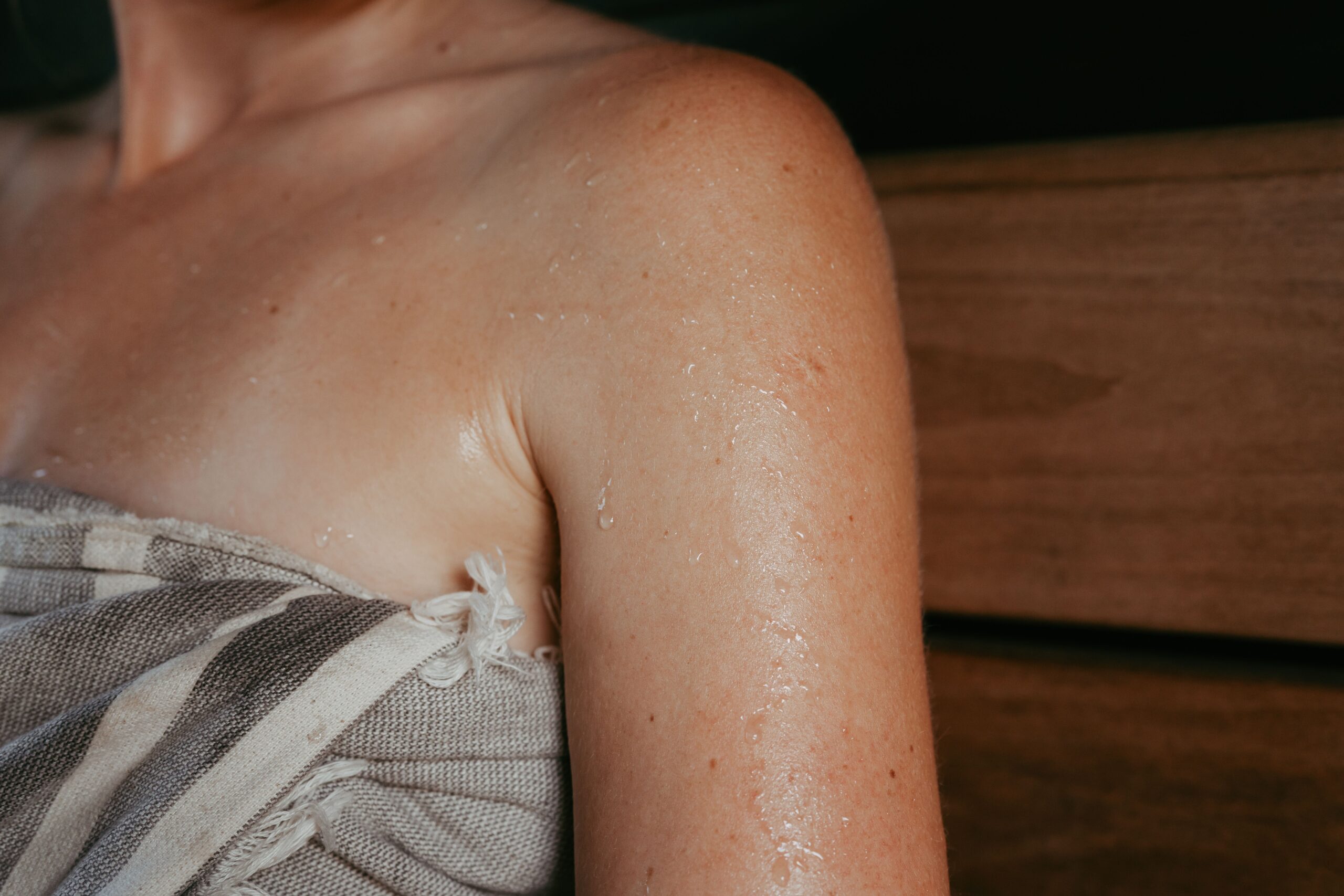
Sweating is a natural process that regulates body temperature, and sweat itself is odorless. What causes an unpleasant odor is the interaction of sweat with bacteria on the skin, especially in areas with apocrine sweat glands (underarms, genital area, scalp). In Algeria, with its intense summer heat, the problem of sweat and body odor becomes a daily challenge that troubles many women and men. Social embarrassment, stains on clothes, and having to change clothes twice a day—all of these are real sources of stress. The solution isn’t to “mask” the odor with a strong fragrance, but to tackle the problem at its root: hygiene, skin care, smart choices in antiperspirants, and sometimes medical treatment. In this guide, we’ll explain the difference between deodorant and antiperspirant, which ingredients actually work, treatments for excessive sweating, daily habits to reduce odor, and helpful natural products.
The Difference Between Deodorant and Antiperspirant
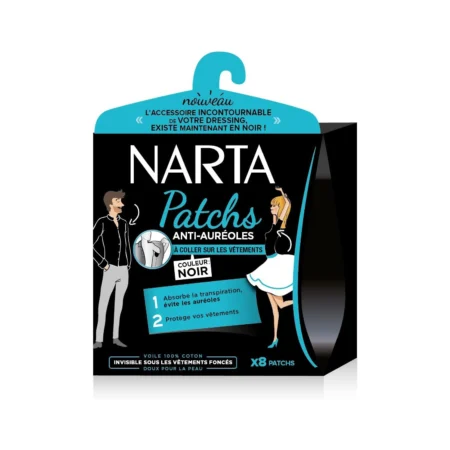
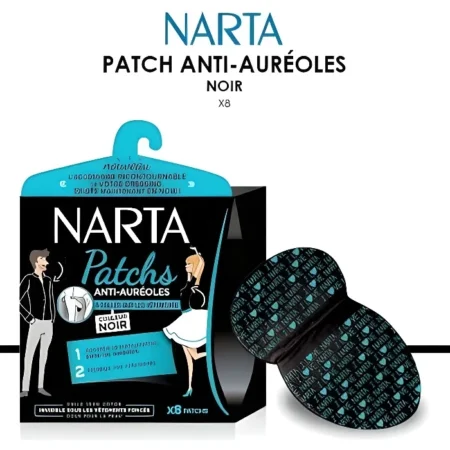
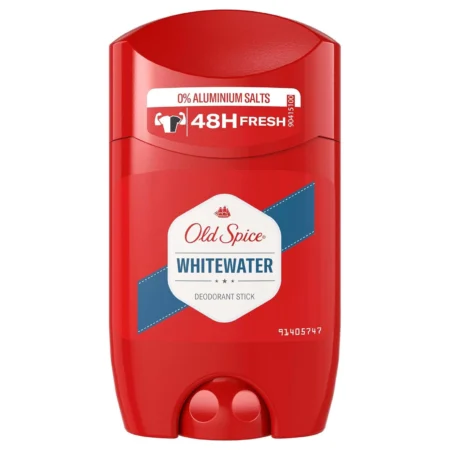
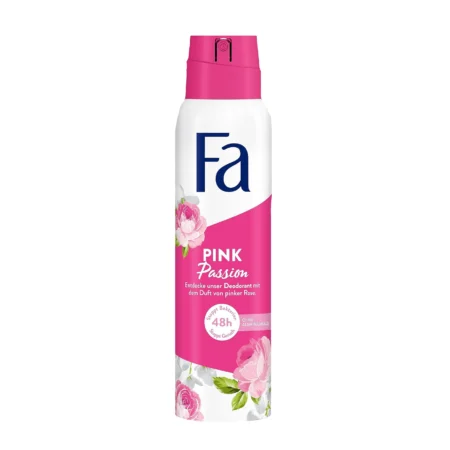
Many women use these products the same way, but they each work differently. Deodorant combats body odor but does not prevent sweating. It works in two ways: it contains antibacterial agents that kill the bacteria that cause odor, or fragrances that mask the odor. It does not contain minerals.
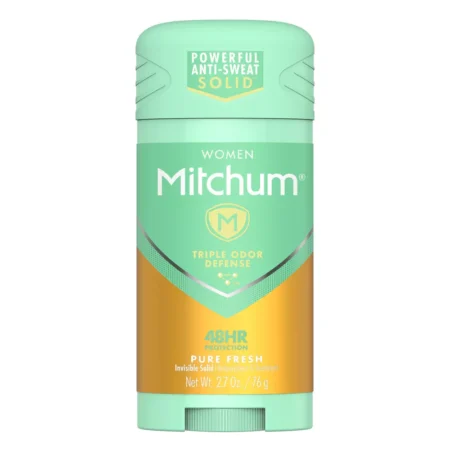
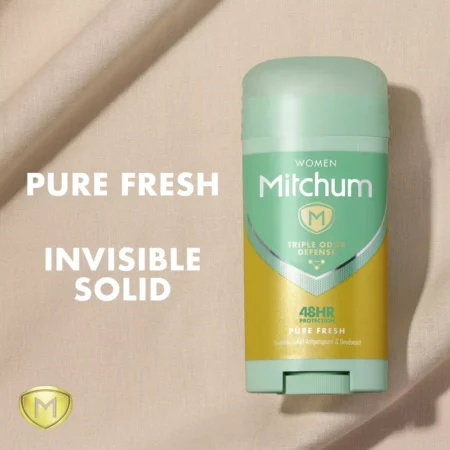
Antiperspirants actually prevent sweating. It contains aluminum compounds (aluminum chloride, aluminum zirconium) that temporarily block the sweat glands, reducing sweat by 50–80%. It often contains antibacterial agents as well.
Many products on the market combine both (deodorant and antiperspirant). For most women, this is the best option. Those with sensitive skin may prefer a deodorant without aluminum.

The Truth About Aluminum in Antiperspirants
Rumors have spread that the aluminum in antiperspirants causes breast cancer and Alzheimer’s disease. The American Cancer Society and the FDA have conducted extensive studies and found no causal link. However, people with sensitive skin may experience irritation from aluminum.
If you prefer to avoid aluminum for any reason, natural alternatives are available: natural alum stone (which contains potassium alum, a different type of aluminum that is natural and less harmful), baking soda mixed with cornstarch, coconut oil with essential oils, and magnesium hydroxide. These alternatives require frequent reapplication and do not prevent sweating as effectively.
If you suffer from true hyperhidrosis, high-concentration aluminum is medically necessary.
Reducing Odor and Daily Tips
Body odor cannot be treated with antiperspirant alone. Hygiene, diet, and clothing are all important.
- Shower daily with antibacterial soap.
- Make sure your underarms are completely dry before applying deodorant.
- Apply antiperspirant before bed—it penetrates the sweat glands overnight.
- Shave your underarm hair—it reduces bacteria and odor.
- Choose breathable cotton or linen clothing.
- Change your underwear every day.
- Drink plenty of water—it reduces sweating.
- Use less onion, garlic, curry, and hot spices.
- Cut back on caffeine and spicy foods.
- Avoid alcohol and smoking.




Treatment for Excessive Sweating
If you sweat more than usual despite taking all necessary precautions, you may be suffering from hyperhidrosis. It affects 3% of the population, and there are effective treatments available.
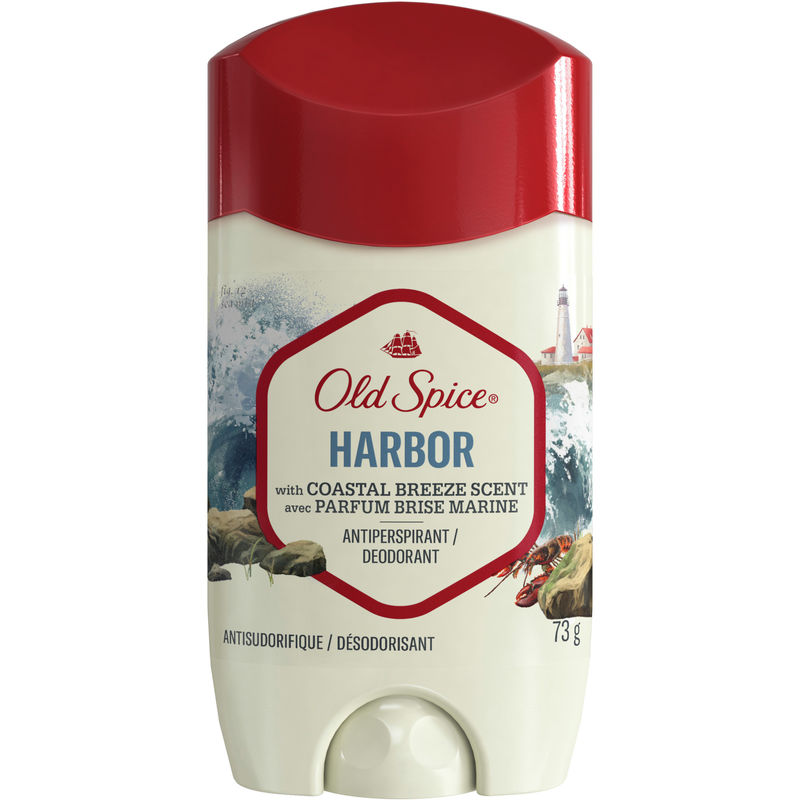
Phase 1: Antiperspirants with a high concentration of aluminum (Driclor, Perspirex). Apply at night 3–4 times a week.
Phase Two: Botox injections under the armpits—block nerve signals to the sweat glands. Lasts 6–9 months. Very effective.
Phase Three: Iontophoresis (a mild electric current) for the hands and feet, oral medications (glycopyrrolate), Miradry (radiofrequency waves that permanently destroy the glands), and surgery in very severe cases.
Mistakes That Make Body Odor Worse
Mistake #1: Applying deodorant to damp skin—it won’t absorb and won’t work. Mistake #2: Applying a strong perfume over the smell of sweat—it creates a nasty, mixed-up odor. Mistake #3: Wearing synthetic (polyester) clothing in hot weather—it traps odors.
Mistake #4: Not cleaning the armpit area thoroughly in the morning (bacteria buildup overnight). Mistake #5: Wearing the same shirt two days in a row. Mistake #6: Ignoring your diet (excessive red meat, raw onions, garlic). Mistake #7: Severe stress—cortisol increases the production of apocrine glands. Mistake #8: Believing that “the more perfume you wear, the less you’ll smell”—the opposite is true; it just mixes many different scents.


Frequently Asked Questions About Sweat and Body Odor
Should I sweat? Yes, sweating cools your body and flushes out toxins. Preventing all sweating is unhealthy.
Is Botox safe for the armpits? Yes, it's safe and very effective, and it lasts 6–9 months.
Why does my body odor change over time? Diet, hormones, medications, and stress—all of these can change your body odor.
Is baking soda effective? Yes, but it might irritate sensitive skin. Try a small amount first.
Is perfume a substitute for deodorant? Never—perfume only masks odors; it doesn't eliminate them, and mixing scents creates unpleasant odors.